

What to Wear on a Cruise: A Practical Packing Guide
[ ]
[ ]
You're standing over an open suitcase, moving the same pieces in and out because none of them seems quite right. The shorts work for the Caribbean port, the sweater suits a windy sea day, and the dress looks perfect for dinner, but together they're already taking over the case. The better answer to what to wear on a cruise isn't a longer checklist. It's a small wardrobe built to handle changes in temperature, venue, activity, and local expectations.
Table of Contents
- The Cruise Wardrobe Mindset You Need Before Packing
- Building a Cruise Capsule Wardrobe From the Ground Up
- Sea Days and Pool Deck Outfits That Actually Work
- Port Day and Excursion Outfits by Climate and Setting
- Decoding Cruise Dress Codes and Formal Night
- Smart Packing Methods for Small Cruise Cabins
- A Sample Seven-Night Cruise Packing Formula
- Cruise Clothing Questions First Timers Always Ask
The Cruise Wardrobe Mindset You Need Before Packing
A Caribbean port can call for shorts, while the air-conditioned lounge needs a sweater and the evening deck demands another layer. By dinner, a jacket or dress may suit the room better than either. Cruise clothing must handle these changes in temperature, venue, activity, and local expectations.
Build outfits around transitions rather than isolated moments. Every garment should work in at least two settings. A lightweight button-down can shield you from the sun on a shore excursion, cover swimwear on the pool deck, and look polished with trousers at dinner. Dark trousers can serve for a walking tour, a casual restaurant, and a dressier evening with a jacket.
Packing rule: Choose clothes for the changes between places, not just for the destination printed on your itinerary.
This system keeps special-purpose pieces from occupying your cabin while they remain folded under the bed. Earlier ocean-liner travel required far more formal dressing. Until the 1920s, men commonly wore white tie and women wore evening gowns after 6 p.m. in public rooms. According to historical cruise dress guidance, the Raffaello's maiden voyage required formal attire on six of eight nights. Modern cruising uses a lighter clothing load, so pack for the way ships operate now.
Check your cruise line's current rules, planned restaurants, and ports before choosing individual pieces. The broader cruise packing guidance can clarify luggage restrictions, while your ship and itinerary determine the clothing mix.
Pack for sea days, shore days, casual dinners, and formal nights as overlapping needs. A few adaptable pieces can cover changing climates, activities, and venues without overstuffing the suitcase. That is the cruise wardrobe system: fewer garments, more useful combinations.
Building a Cruise Capsule Wardrobe From the Ground Up
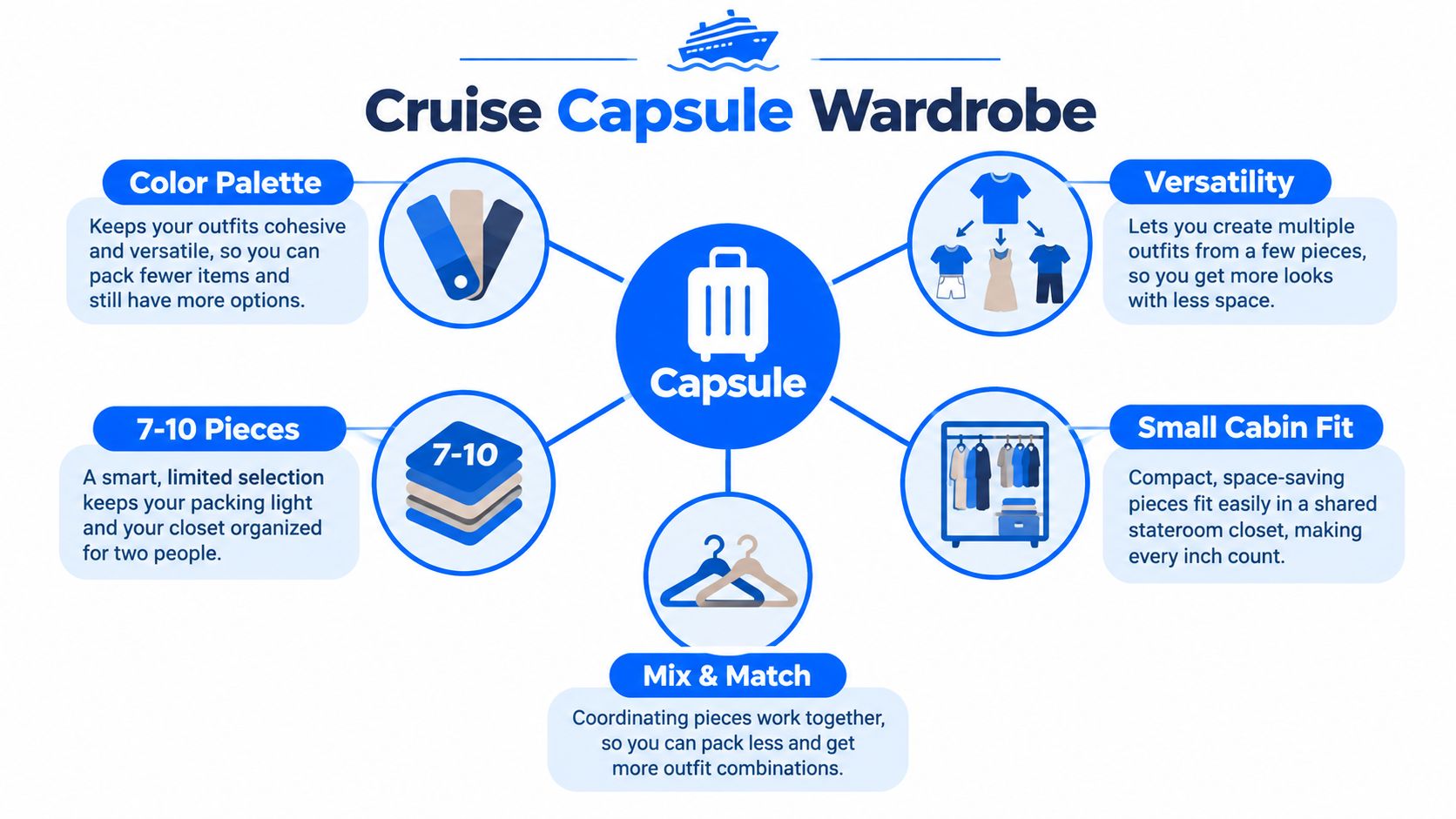
A cruise capsule is a deliberately limited group of clothes that share colors, layers, and uses. It works particularly well in a stateroom, where closet space is narrow, drawers are shared, and a bulky case can make the room uncomfortable for the entire voyage.
Start with a restrained palette. Choose two neutrals, such as navy and white or black and cream, then add one accent color. Every top should work with more than one bottom. If a bright statement piece only matches one outfit, leave it home.
Choose fabrics that tolerate real travel
Cruise clothing gets folded, carried, worn in humidity, and exposed to changing temperatures. Favor lightweight knits, performance blends, linen blends, and other fabrics that recover from packing. Wrinkle resistance matters most for dinner pieces, because the cabin iron may be inconvenient and some ships restrict personal travel irons.
Build around layers rather than heavy single garments. A thin base layer, overshirt, cardigan, or unstructured blazer gives you more control than one thick sweater. You can wear the layer indoors, remove it on deck, and add it again after sunset.
A useful capsule can begin with roughly ten core clothing pieces:
- Two versatile bottoms: Choose one casual option and one polished option that both work with most tops.
- Three everyday tops: Include breathable short sleeves, a tank or shell, and a button-down or blouse.
- One adaptable dress or polished outfit: Pick something suitable for dinner, photos, and a dressier venue.
- Two layers: Use a light sweater, cardigan, overshirt, or blazer.
- One weather layer: A packable rain shell or wind-resistant jacket earns its place on itineraries with exposed decks or changeable ports.
- One or two swim pieces: Add a cover-up that can also serve as a casual layer.
- Two shoe categories: Bring comfortable walking shoes and a cleaner pair for shipboard evenings.
The exact count can change for children, cold-weather routes, or active excursions. The principle doesn't change. Every item should combine with several others and serve more than one part of the day.
Avoid building a wardrobe around delicate pieces that need constant care. A dress that only works with special shoes and matching jewelry is less useful than a simple dress that works with sandals in port and a jacket at dinner.
Sea Days and Pool Deck Outfits That Actually Work
Sea days reward simple clothing. You'll move between bright sun, wind, wet surfaces, shaded loungers, indoor venues, and cool evening decks without returning to the cabin after every activity. Pack garments that dry quickly, layer easily, and don't mind being worn more than once.
A practical pool-deck setup includes swim trunks or a swimsuit, a breathable cover-up, sandals with dependable traction, sunglasses, and a light hoodie or overshirt. A rash guard or UPF-rated shirt adds useful coverage for long hours outdoors without requiring a separate sun outfit. Choose a cover-up that can take you from the pool toward a casual café, while remembering that many ships expect passengers to cover swimwear before entering indoor areas.
Keep wet clothing from taking over the cabin
Bring a packable beach tote for sunscreen, a cover-up, water, and a book. It keeps pool items together and can double as a shore-day bag, so you don't need separate carriers for every activity.
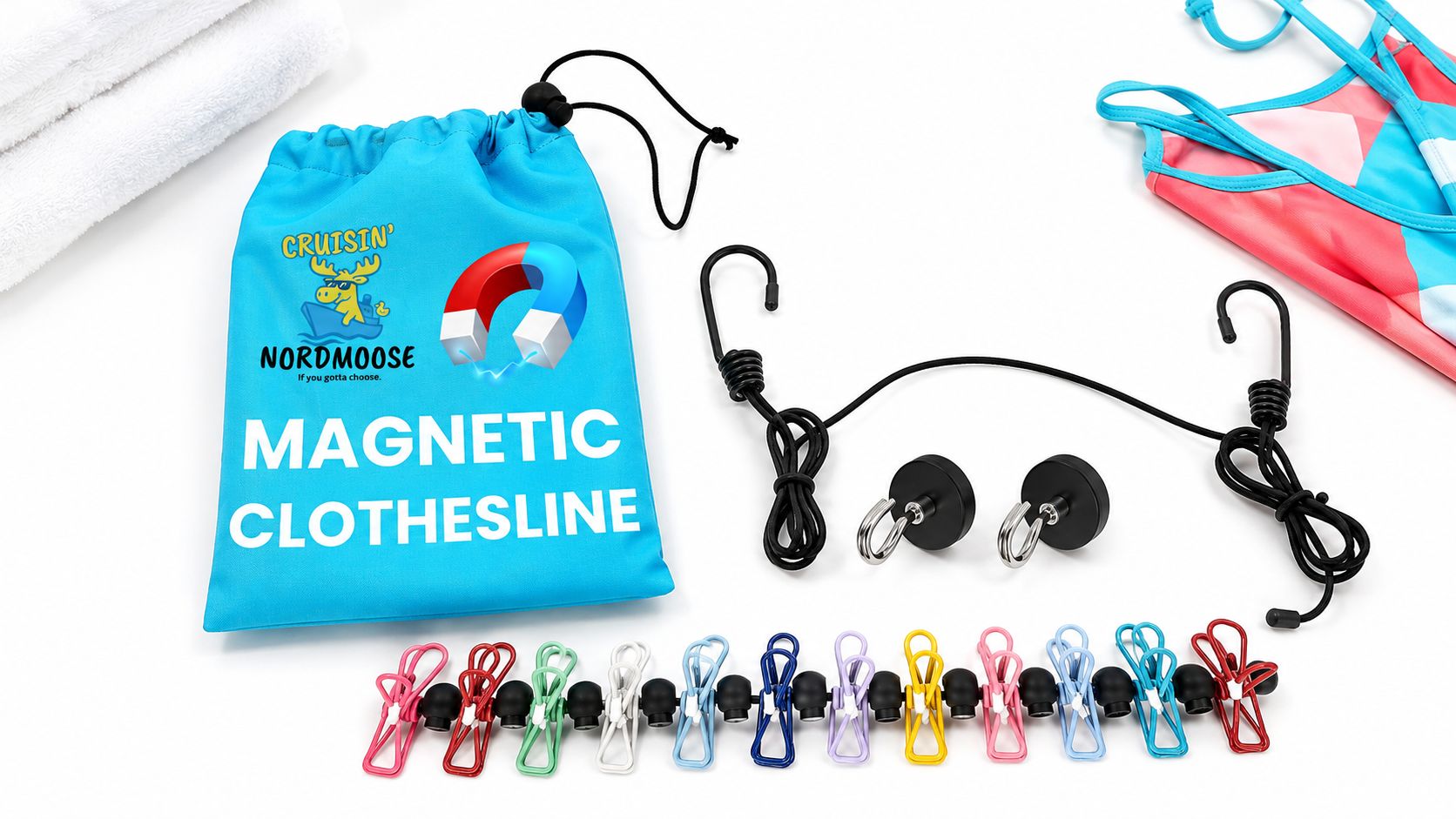
Wet swimwear is where sea-day planning becomes a cabin issue. A Magnetic Clothesline for Cruise Ship Cabin uses rubber-coated magnets designed for metal cabin panels and connects to a retractable line. Its compact format is intended for drying lightweight clothing and swimwear, though you should still follow your ship's current onboard rules.
Don't pack a separate outfit for every hour on deck. One swimsuit, one cover-up, one casual bottom, two breathable tops, sandals, and a light warm layer will cover most sea-day routines. Add a rash guard when sun exposure or water activity makes it useful, not because a generic list says you need another top.
Port Day and Excursion Outfits by Climate and Setting
Port days are where destination-only packing fails. A warm itinerary can include a windy transfer, a shaded museum, a long walk over stone streets, and a religious site with stricter coverage expectations. Northern routes can bring rain, exposed decks, and cool streets even when the ship's interior feels comfortable.

Build a small layering kit
For hot walking tours, start with breathable trousers, shorts, or a loose skirt, then add a lightweight shirt with shoulder coverage when needed. A hat, sunglasses, and a sun-protective layer are more useful than a second fashion outfit. Choose walking shoes with support and a sole suited to uneven pavement. Sandals may look appropriate for a resort stop but can be a poor choice on cobblestones or long urban routes.
For rainy or cool ports, use a thin base layer beneath a sweater or fleece and finish with a windproof, water-resistant shell. This combination packs more efficiently than one heavy coat and lets you adjust as the day changes. Quick-drying fabrics are especially sensible when you expect showers or damp transportation.
Port-day test: Before packing an outfit, ask whether it works for walking, weather changes, local expectations, and a return to the ship.
Religious and culturally conservative sites require deliberate coverage. Carry a scarf, wrap, or lightweight overshirt that can cover shoulders, and choose bottoms that provide appropriate coverage without making hot-weather walking miserable. Keep that layer in your day bag rather than leaving it in the cabin.
The strongest port wardrobe is modular. A breathable base, a polished overshirt, a rain layer, a modest cover-up, and sturdy walking shoes can be rearranged for Mediterranean heat, Baltic rain, exposed viewpoints, and indoor attractions. Pack for transitions between climate, activity, and culture, not for a single forecast.
Decoding Cruise Dress Codes and Formal Night
Cruise dress codes usually govern a venue or a specific evening. Formal, cruise elegant, smart casual, and optional dress describe what a line expects in selected settings, while much of the ship remains casual. Pack around those changes in context rather than carrying separate outfits for every label.
Royal Caribbean permits casual clothing across much of the ship and lists suits, tuxedos, cocktail dresses, and evening gowns for designated formal occasions (Royal Caribbean onboard dress code). Disney presents formal and semiformal evenings as opportunities, suggesting dress pants with a jacket or a suit, along with dresses or pantsuits. Check your line's current policy before sailing because the same term can mean different things by ship, restaurant, or itinerary.
Separate the venue from the whole evening
The main dining room may set a dressier expectation while a buffet, casual restaurant, theater, or outdoor venue stays relaxed. If dressing up does not suit your plans, choose another dining setting when the ship permits it, then confirm current restrictions before departure.
Participation varies. In a 1,000-person poll of Royal Caribbean diners, 51% said they always dress up for formal night, 20% occasionally, and 11% rarely, according to Royal Caribbean Blog's dress-code coverage. Because respondents chose to participate, the poll is not representative of every passenger. It still shows that formal-night participation is substantial without being universal.
One adaptable outfit covers the occasion for most travelers. Wear a dark suit with different shirts, or shift a versatile dress with a jacket, wrap, jewelry, or shoes. A blazer and dark trousers can serve an elegant dinner, then return later with a more casual shirt.
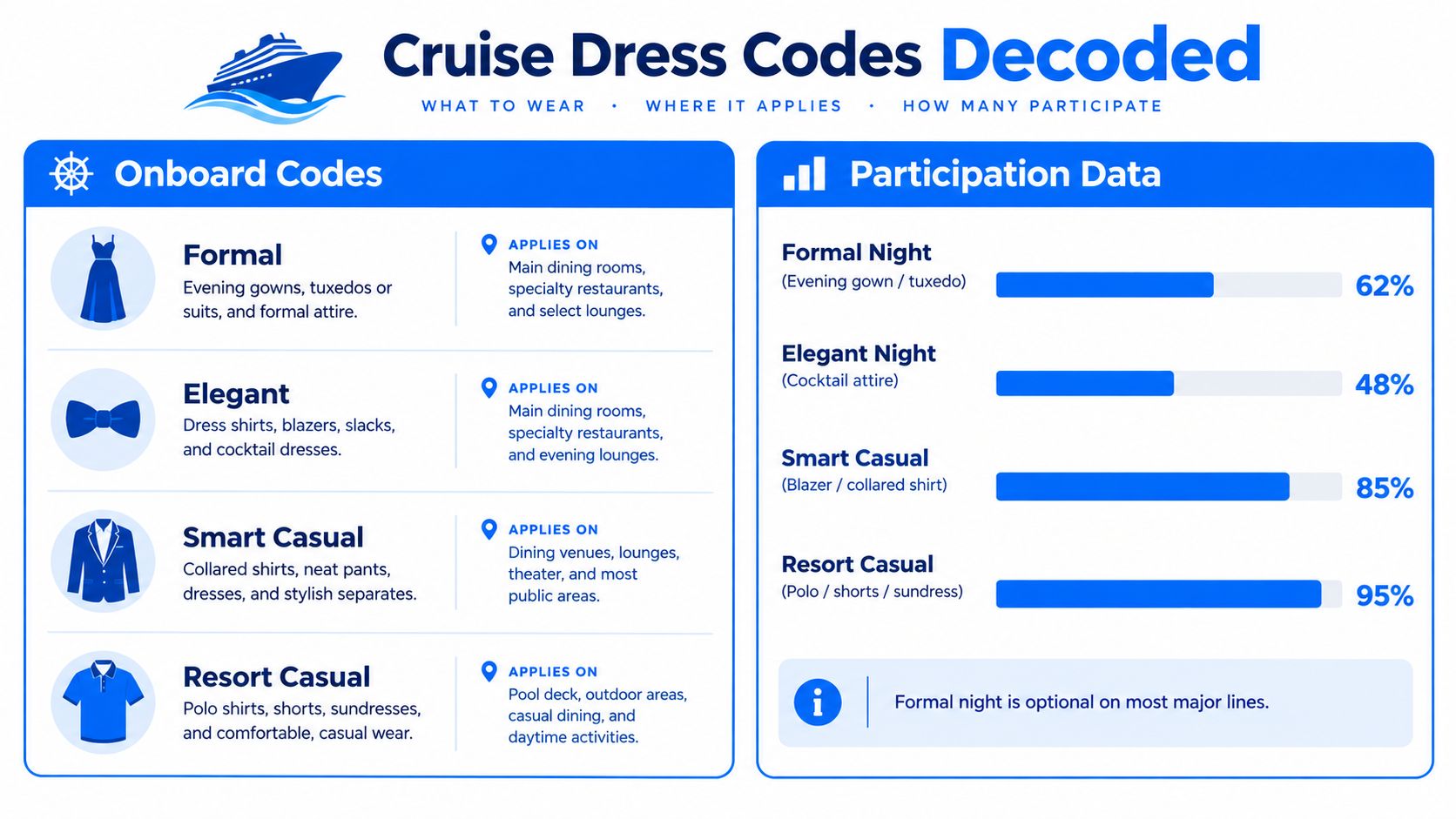
Skip a full black-tie wardrobe unless your cruise line and plans specifically call for it. Modern seven-night cruises commonly schedule about two formal or elegant evenings, while shorter itineraries may include one. Treat formal night as one evening within the voyage, rather than the organizing principle of your suitcase.
Smart Packing Methods for Small Cruise Cabins
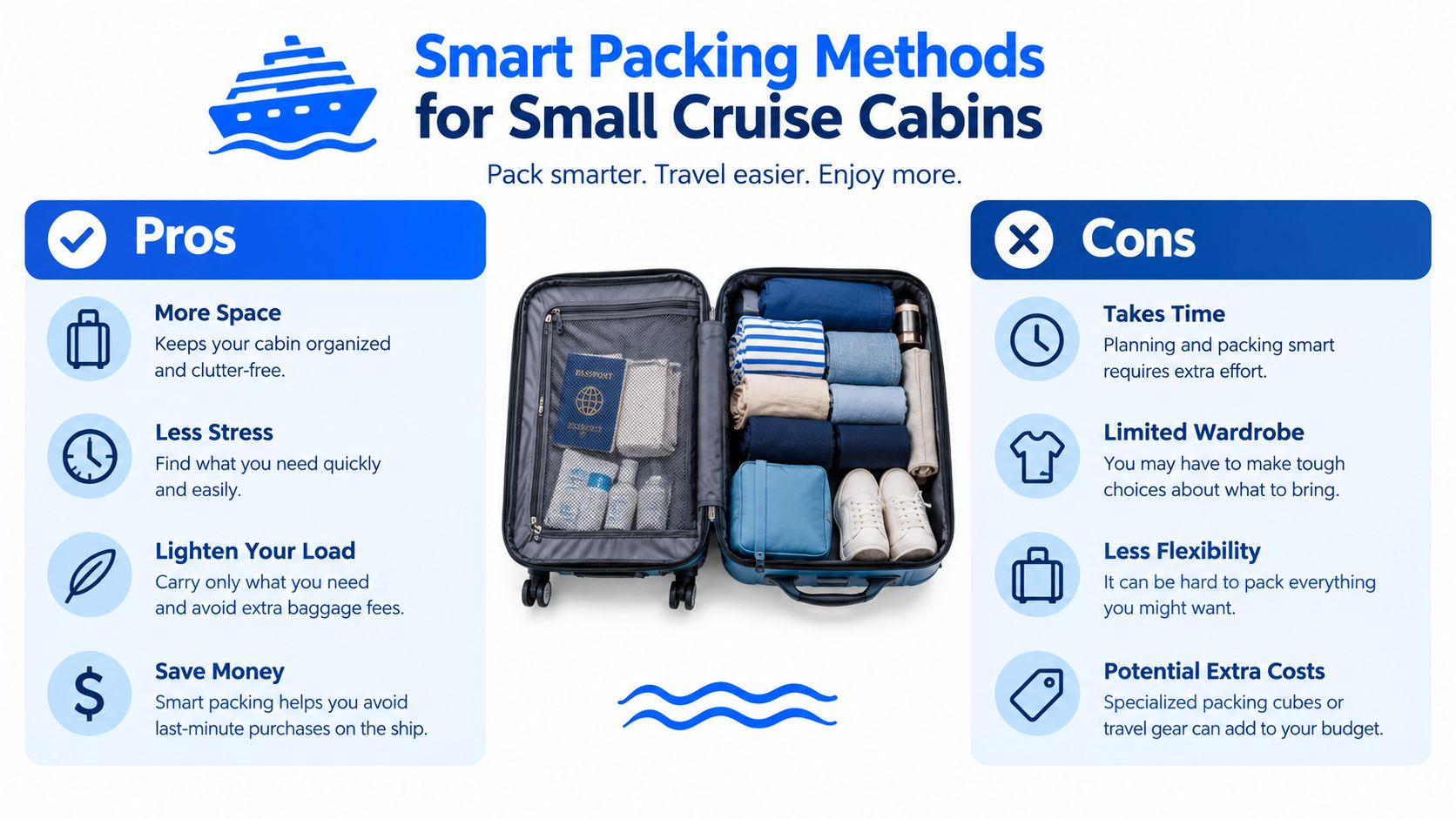
The best packing method depends on what wrinkles you tolerate and how quickly you want to find an item. Rolling saves space for soft tops and swimwear, but it can crease linen blends and make a suitcase harder to scan. Folding keeps structured pieces flatter, though it uses space less aggressively.
Packing cubes create order, not extra capacity. Use one for tops, one for bottoms, and one for swimwear or undergarments. Keep formal pieces in a thin garment folder or at the top of the case, where they won't be crushed beneath shoes.
Match the method to the garment
Compression bags are useful for bulky sweaters or outer layers, but they can make it harder to see what you have and may leave packed clothes heavily creased. Use them selectively rather than compressing the entire wardrobe. Outfit repeats are more efficient still. Wearing the same trousers with different tops creates variety without multiplying luggage.
Unpack into drawers and hang the pieces that wrinkle most. Keep one complete outfit in your carry-on in case checked luggage arrives late. That outfit should include comfortable travel clothing, a layer, basic toiletries, and any medication you need immediately.
Cabin rule: Visibility beats maximum compression. If you can see every category quickly, you'll rewear more and unpack less.
A simple small-space storage approach can help you keep clothing off the bed and counter. The goal isn't to create a perfect closet. It's to make your repeatable outfits easy to reach while keeping wet, dirty, and clean clothing separate.
A Sample Seven-Night Cruise Packing Formula
A compact formula works best when your itinerary moves between hot decks, air-conditioned interiors, shore excursions, and one or two dressier evenings. The aim is a connected wardrobe, not seven separate outfits. Each piece should cover more than one setting without filling the case.
Wear the bulkiest layer and walking shoes while traveling. Put the dressier piece, one top, underwear, swimwear, and medication in your carry-on. That way, a delayed suitcase does not prevent you from changing clothes or using the pool on the first day.
| Category | Quantity | Works With |
|---|---|---|
| Breathable everyday tops | 3 | Shorts, trousers, skirts, and layering |
| Polished shirt or blouse | 1 | Dark trousers, casual bottoms, or under a jacket |
| Casual bottoms | 2 | Sea days, excursions, and relaxed dinners |
| Dressier bottom | 1 | Blouse, shirt, blazer, or sweater |
| Versatile dress or polished outfit | 1 | Dinner, photos, and an elegant evening |
| Lightweight sweater or cardigan | 1 | Interiors, sea days, and cool ports |
| Blazer or overshirt | 1 | Dinner, excursions, and formal-night styling |
| Rain or wind shell | 1 | Changeable ports and exposed decks |
| Swimwear | 1 or 2 | Pool deck and spa time |
| Cover-up | 1 | Pool, casual venues, and sun protection |
| Walking shoes | 1 pair | Port days and long ship walks |
| Casual sandals or slip-ons | 1 pair | Pool deck and warm-weather ship time |
| Dressier shoes | 1 pair | Dinner and dressier venues |
Use the formula as an outfit grid
Start with a casual bottom and breathable top for a sea day. Reuse that top with the dressier bottom for a relaxed dinner. Add the blazer or overshirt for a sharper shipboard outfit. A dress can handle a port day with walking sandals, then work at dinner with a jacket and cleaner shoes.
Cold-weather itineraries need one warmer bottom and the shell. Hot routes call for breathable fabrics, while the warm layer should stay light enough to carry between indoor lounges and open decks. Families can follow the same structure, adding spare basics for children when spills or wet swimwear are likely.
Before closing the case, place every item together and identify its partners. If a garment has no clear second use, leave it behind or replace it with a piece that serves another climate, venue, or activity.
Cruise Clothing Questions First Timers Always Ask
Is formal night required?
Usually, formal guidance applies to selected evenings and venues rather than every part of the ship. Check the current policy for your cruise line, then decide whether you'll dress up, use a casual dining option, or choose a middle ground such as a blazer, dark trousers, cocktail dress, or pantsuit.
What should I wear on embarkation day?
Wear comfortable travel clothes with a layer and walking shoes. Put swimwear, a cover-up, one dinner-ready outfit, essential medication, and basic toiletries in your carry-on because checked luggage may not reach your cabin immediately.
What works on an air-conditioned ship?
Use thin layers. A cardigan, light sweater, shawl, or overshirt is easier to carry and reuse than a heavy coat, and it can move from an indoor lounge to an evening deck.
Do I need separate clothes for every day?
No. Repeating bottoms and layers is the sensible approach. Change the look with tops, accessories, shoes, and your outer layer rather than packing a new complete outfit for every meal.
What should children wear?
Choose washable, comfortable basics that can handle meals, deck time, and shore excursions. Pack spare tops and underwear, but keep the outer layers and shoes versatile. A child's cover-up can also work over swimwear during movement around the ship.
How many shoes are enough?
For most itineraries, start with comfortable walking shoes, casual sandals or slip-ons, and one dressier pair. Add specialized footwear only when a confirmed activity requires it. Shoes consume valuable space, so each pair should solve a real problem.
What changes for a mixed-climate itinerary?
Pack layers instead of choosing between a summer wardrobe and a cold-weather wardrobe. A breathable base, light warm layer, rain shell, modest cover-up, and reliable walking shoes can adapt to heat, wind, rain, air conditioning, and culturally conservative sites.
The right answer to what to wear on a cruise is a wardrobe that changes with you. Choose interchangeable pieces, keep one complete outfit in your carry-on, and check the ship's current venue rules before departure.
Nordmoose offers compact cruise-cabin accessories, including organizers, rechargeable night lights, motion-comfort products, and a magnetic clothesline for drying lightweight garments. Visit Nordmoose to choose practical gear that supports a less cluttered, more comfortable voyage.